Therapeutic Approaches

Every therapeutic journey is unique. We thoughtfully integrate scientifically validated therapeutic approaches to create a personalized treatment plan that aligns with your individual needs, strengths, and goals. Grounded in evidence-based practice, our interventions combine the best available psychological research with clinical expertise to provide care that is effective, compassionate, and tailored to support meaningful and lasting change.

Our therapeutic approaches are designed to help individuals navigate a wide range of emotional, behavioural, and psychological concerns. Depending on your needs, therapy may focus on understanding patterns of thinking, improving emotional regulation, developing healthier coping strategies, changing unhelpful behaviours, strengthening relationships, or enhancing overall psychological well-being. The approaches outlined below are among the most widely researched and clinically effective interventions, with each serving a distinct purpose while working toward the shared goal of fostering resilience, self-awareness, and lasting positive change.
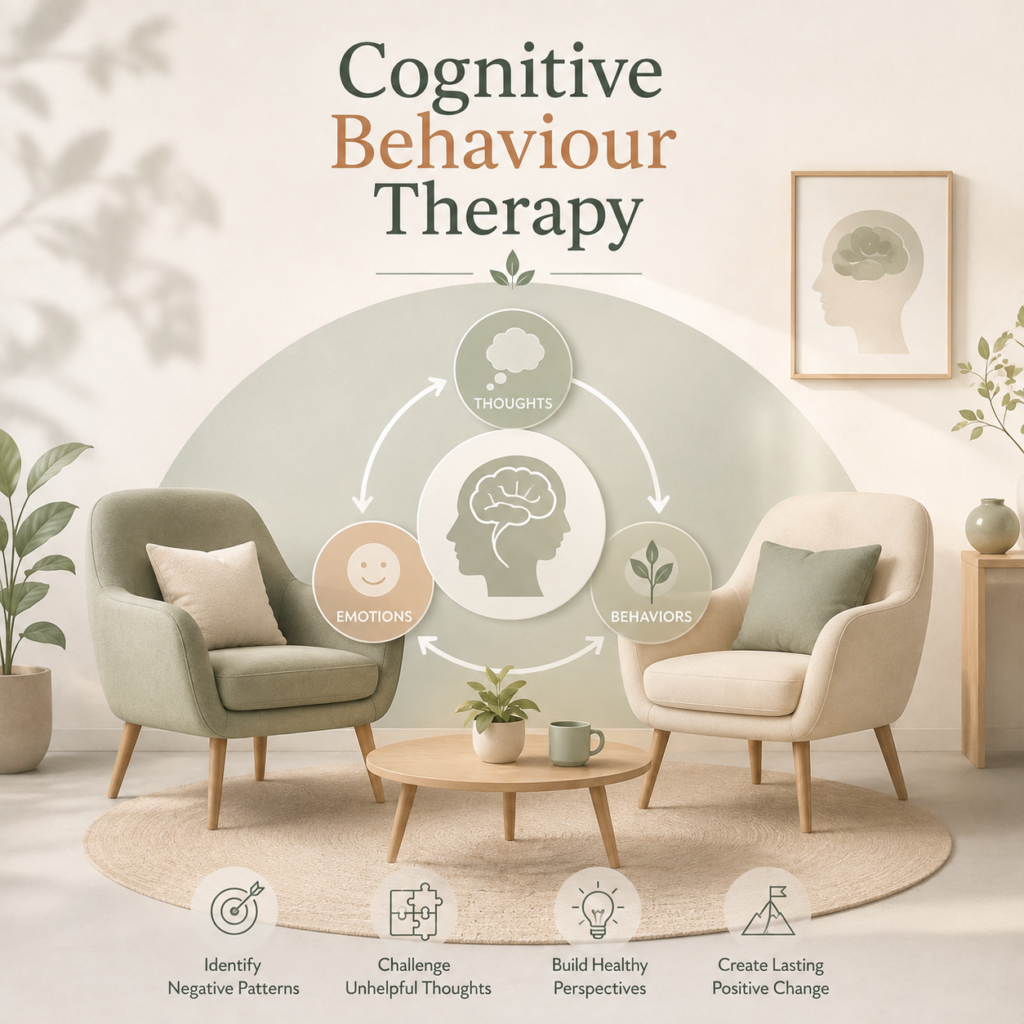
Cognitive Behaviour Therapy (CBT)
Cognitive Behaviour Therapy (CBT) is one of the most extensively researched psychological treatments. It is based on the understanding that our thoughts, emotions, and behaviours continually influence one another. By identifying unhelpful thinking patterns and behavioural responses, CBT helps individuals develop healthier perspectives, practical coping skills, and more adaptive ways of responding to life’s challenges.
Commonly used for: Anxiety disorders, depression, obsessive-compulsive disorder (OCD), panic disorder, phobias, stress, insomnia, chronic pain management, health anxiety, and low self-esteem.

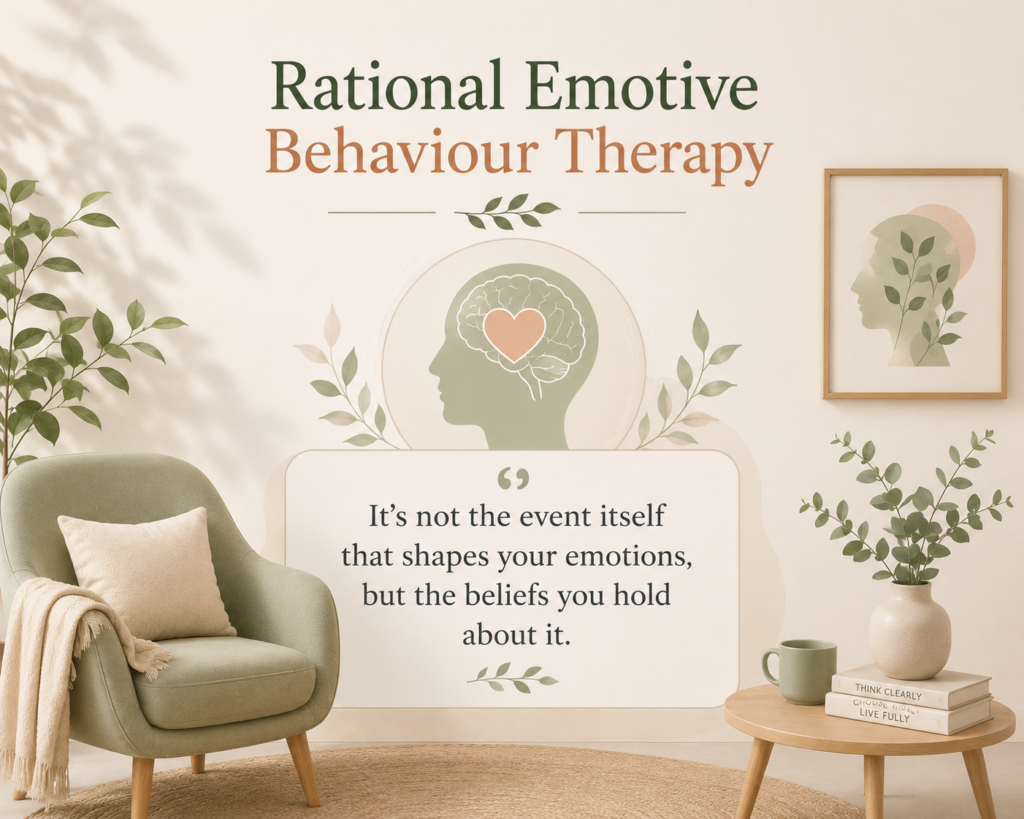
Rational Emotive Behaviour Therapy (REBT)
REBT focuses on how our beliefs influence the way we experience emotions and respond to situations. Rather than changing events themselves, it helps individuals examine irrational or self-defeating beliefs and replace them with balanced, flexible, and realistic ways of thinking. This promotes greater emotional resilience, self-acceptance, and psychological well-being.
Commonly used for: Anxiety, depression, anger management, perfectionism, guilt, shame, performance anxiety, workplace stress, relationship difficulties, and self-esteem concerns.

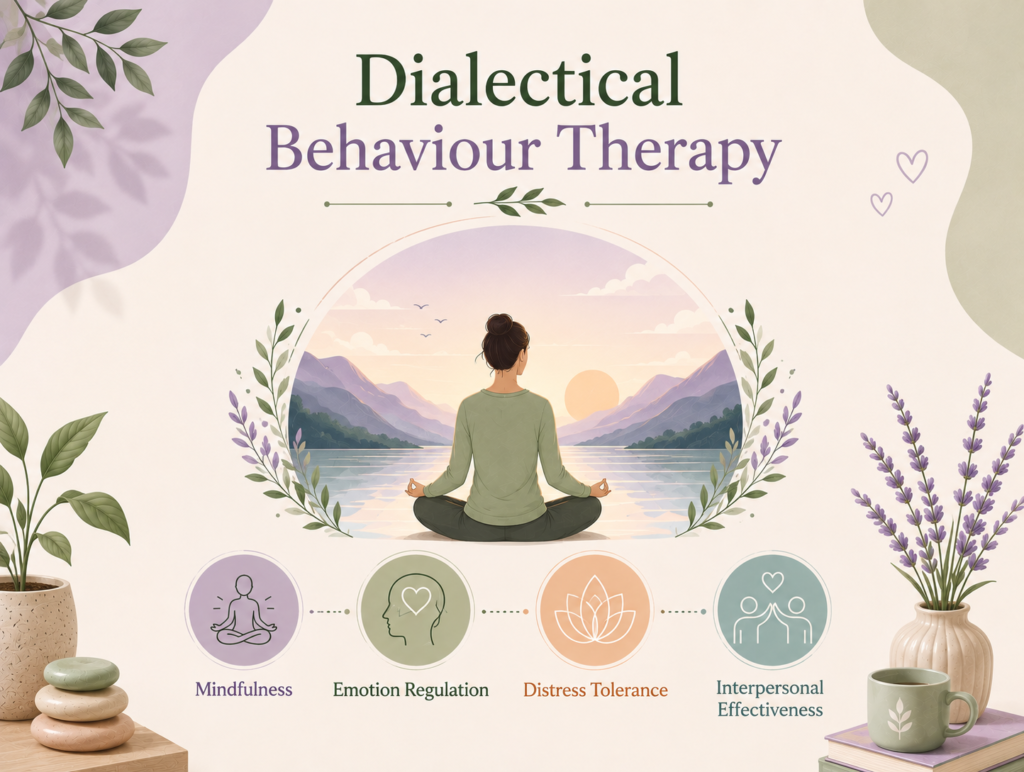
Dialectical Behaviour Therapy (DBT)

Dialectical Behaviour Therapy (DBT) combines acceptance with meaningful change. It equips individuals with practical skills to manage overwhelming emotions, tolerate distress, improve interpersonal relationships, and respond to difficult situations more effectively. The approach emphasizes mindfulness, emotional regulation, distress tolerance, and interpersonal effectiveness.
Commonly used for: Emotional dysregulation, borderline personality disorder, self-harm behaviours, trauma-related difficulties, anxiety, depression, eating disorders, impulsivity, and interpersonal challenges.

Motivational Enhancement Therapy (MET)
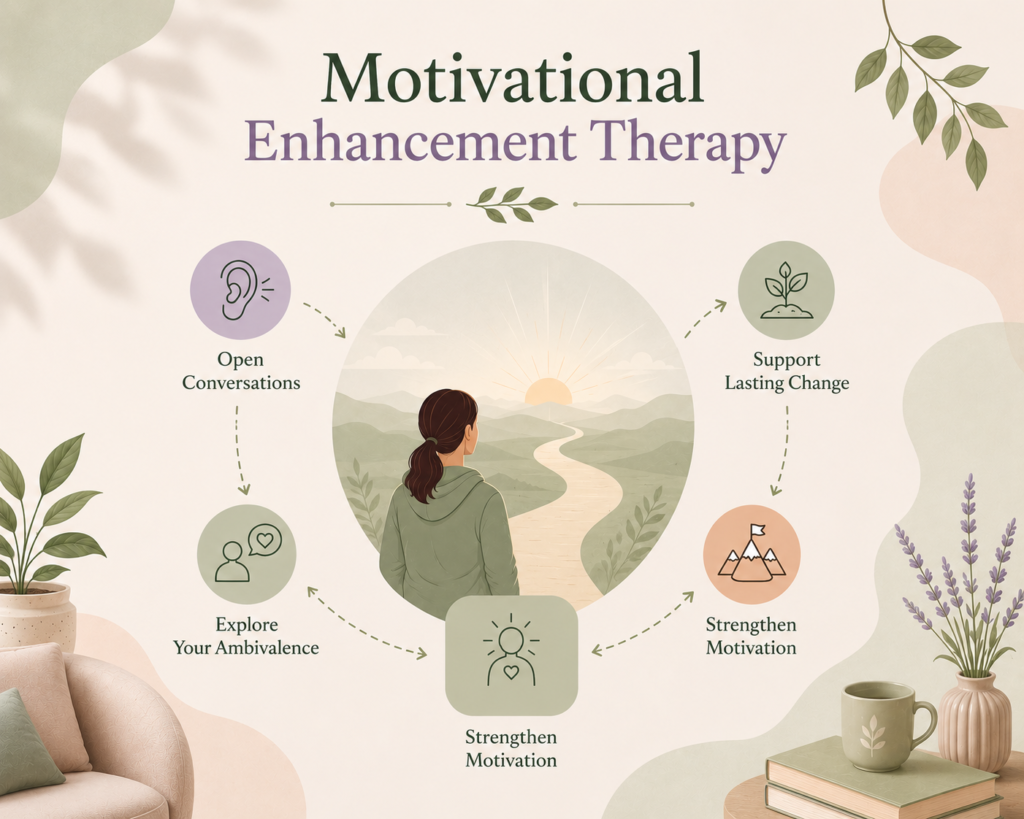
Motivational Enhancement Therapy (MET) is a collaborative and person-centred approach designed to strengthen intrinsic motivation for change. Instead of directing individuals, it helps them explore personal values, resolve ambivalence, and build confidence in their ability to make meaningful and lasting changes.
Commonly used for: Substance use concerns, behavioural addictions, lifestyle changes, treatment engagement, chronic health conditions requiring behaviour change, and situations where motivation is uncertain.

Behaviour Modification

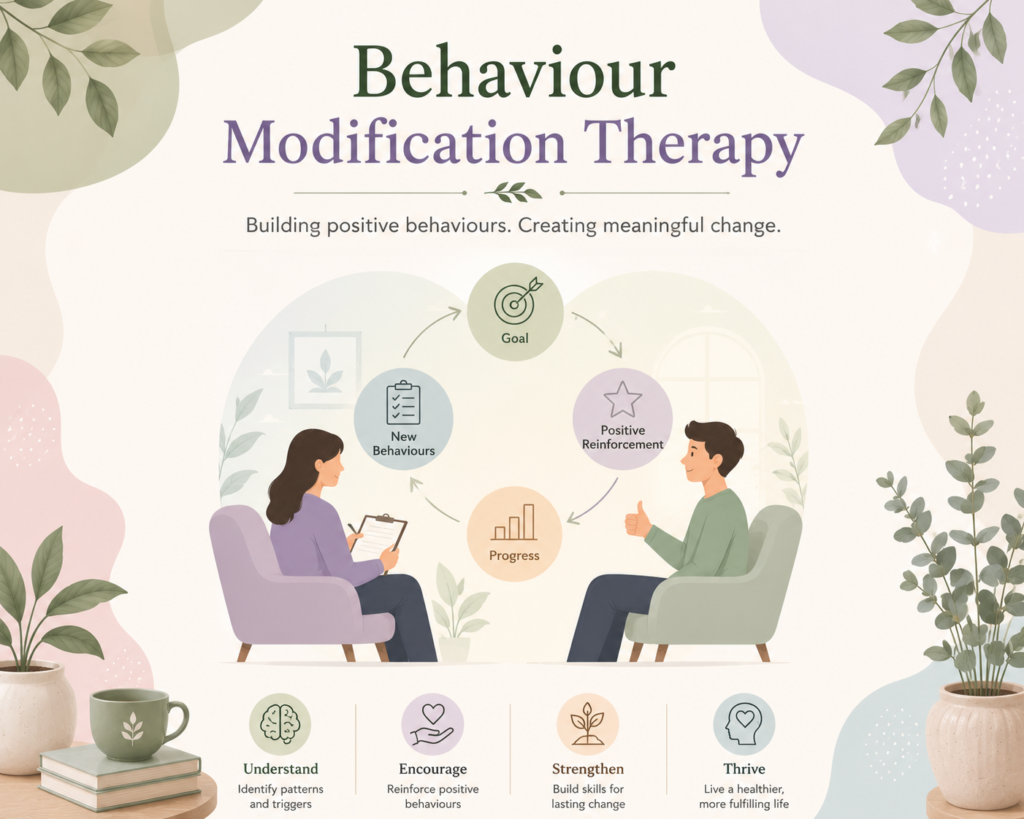
Behaviour Modification applies principles of behavioural science to encourage adaptive behaviours while reducing behaviours that interfere with everyday functioning. Through structured reinforcement strategies and evidence-based interventions, individuals develop practical skills, healthier routines, and greater independence across different areas of life.
Commonly used for: ADHD, Autism Spectrum Disorder (ASD), behavioural concerns in children and adolescents, developmental disorders, anger management, habit reversal, academic functioning, and adaptive skill development.

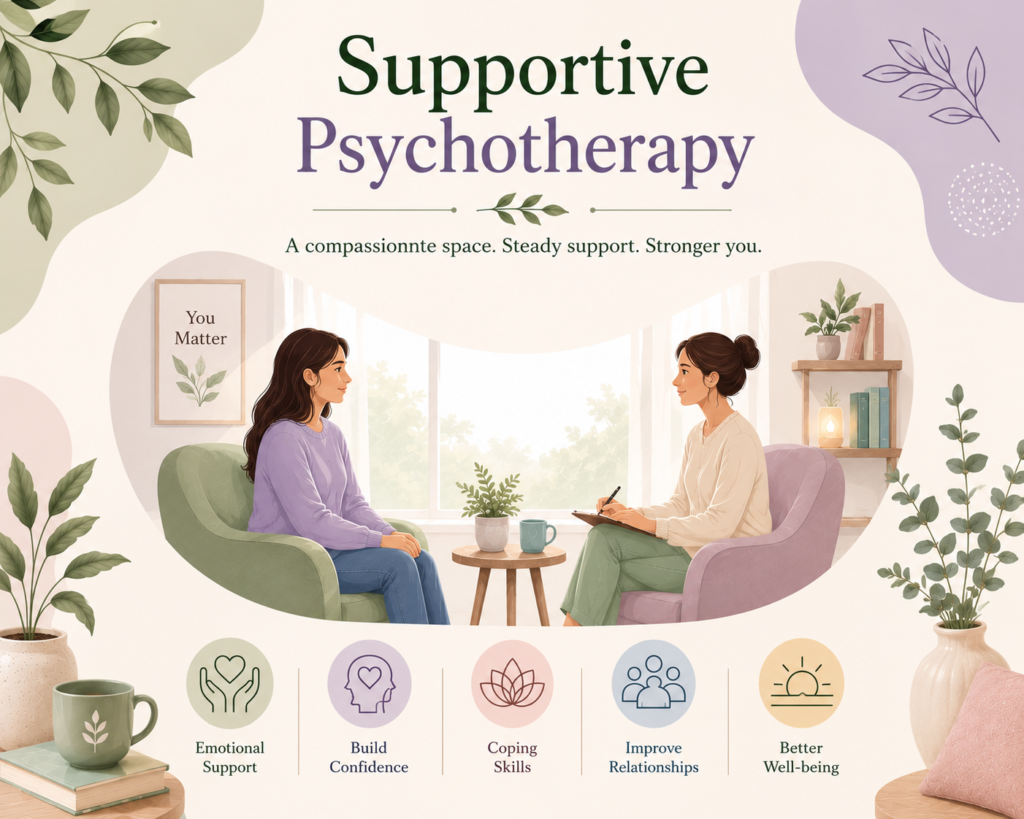
Supportive Psychotherapy

Supportive Psychotherapy provides a compassionate and collaborative therapeutic relationship that helps individuals cope with emotional distress, life transitions, and ongoing psychological challenges. The focus is on strengthening existing coping resources, fostering resilience, enhancing self-esteem, and providing emotional support while promoting psychological well-being.
Commonly used for: Stress, anxiety, depression, grief and bereavement, adjustment disorders, chronic illness, caregiver stress, relationship concerns, life transitions, and emotional support during challenging circumstances.

Call now or schedule a consultation