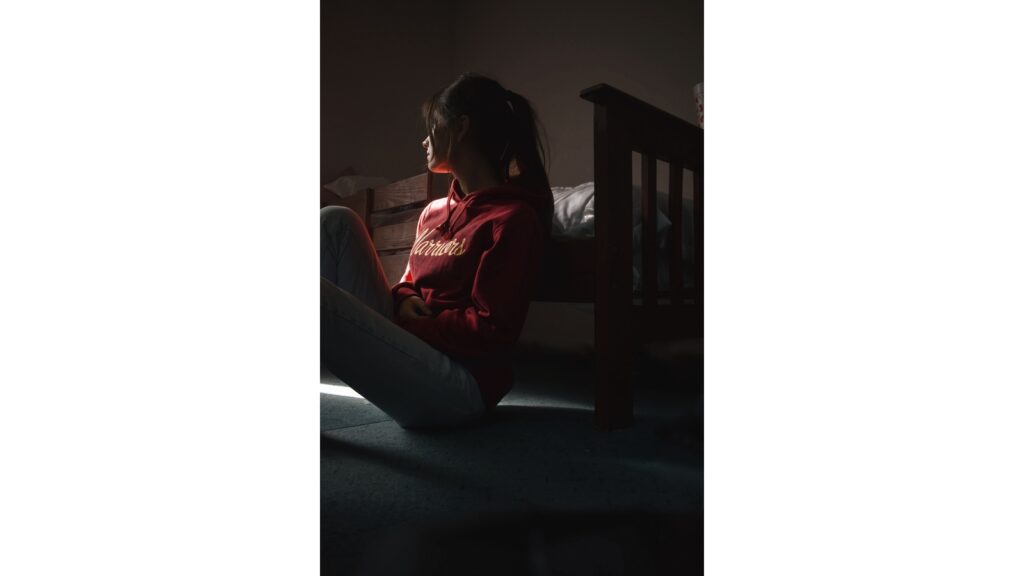
Emotional distance in relationships can develop gradually, even when both partners still care deeply for each other.
Why Couples Become Emotionally Distant
Most romantic relationships do not become distant because of one major event.
More often, distance develops gradually. Conversations become more practical. Affection becomes less spontaneous. Small disappointments remain unresolved. One person stops bringing things up. The other stops asking.
Eventually, both may wonder:
“How did we become so far apart?”
Often, the answer is not simply that love disappeared. Sometimes the relationship has become shaped by repeated patterns that make emotional closeness harder to maintain.
Over time, people develop relationship patterns.
A relationship pattern is the repeated way two people respond to each other, especially during moments of hurt, conflict, disappointment, or uncertainty.
One person may seek more reassurance while the other feels pressured and pulls away. That withdrawal can increase the first person’s insecurity. Over time, both begin reacting to each other’s reactions rather than to the original issue.
This is how a pattern becomes established.
Emotional distance often begins before couples notice it
Distance is not always obvious in the beginning. It may show up as less curiosity, less sharing, shorter conversations, more irritation, reduced affection, or a growing tendency to avoid difficult topics.
The relationship may still function well on the surface. Together, we manage our responsibilities, and daily life continues, but emotional connection may quietly weaken.
This is why some couples describe themselves as feeling more like roommates than partners.
Unresolved hurt can turn into withdrawal
When people repeatedly dismiss, minimize, or leave important concerns unresolved, they often adapt.
One partner may become more critical. Another may become quieter. Someone may stop explaining how they feel because they no longer expect the conversation to help.
Over time, emotional withdrawal can become protective. The person may still care about the relationship, but sharing may begin to feel more exhausting than reassuring.
Partners often react to what something means to them
People rarely experience behavior in isolation in close relationships. A request for space may be interpreted as rejection. A delayed reply may feel like lack of interest. A question may be heard as criticism.
The emotional response often comes from the meaning attached to the event, not only from the event itself. Those meanings are influenced by previous experiences, expectations, insecurities, and the history of the relationship.
When assumptions begin replacing communication, distance can deepen.
Criticism and defensiveness can become a cycle
When one partner feels unheard, they may express themselves more strongly. The other may experience this as criticism and become defensive. That defensiveness can leave the first partner feeling even less understood.
The original issue gets lost, and the interaction itself becomes the problem.
Over time, both may enter conversations expecting conflict rather than understanding.
A brief Gottman perspective
Relationship researchers Dr. John and Julie Gottman are widely known for their work with couples. Their research identified four interaction patterns that can be particularly damaging when they become frequent: criticism, defensiveness, contempt, and stonewalling.
The point is not that healthy couples never disagree. It is that when these responses become habitual, partners may increasingly feel attacked, dismissed, or emotionally shut out.
Avoiding conflict can create distance too
Constant conflict can damage closeness, but so can avoiding conflict altogether.
Sometimes couples stop raising concerns because they believe nothing will change or because difficult conversations feel too exhausting.
The relationship may appear calmer, but calm is not always the same as connection. Sometimes it reflects resignation.
Life pressure can quietly replace the relationship
Not all distance comes from conflict. Work, children, care giving, financial pressure, health concerns, and everyday responsibilities can gradually take up most of a couple’s emotional space.
The relationship becomes functional. Schedules are managed, tasks are completed, and responsibilities are shared, but the couple may stop relating to each other as partners.
There may be no dramatic breakdown. There may simply be too little attention left for connection.
Resentment usually builds gradually
Resentment is often accumulated disappointment.
When needs are repeatedly misunderstood, ignored, or left unaddressed, people may begin to stop asking. What started as hurt can become irritation, detachment, or a sense that there is no point trying anymore.
That shift is often more significant than a single argument.
Distance can become a form of self-protection
At the root of many difficult relationship patterns is some form of protection.
One person may withdraw. Another may pursue. One may become controlling. Another may become emotionally unavailable.
These responses may look different, but they often serve a similar purpose: reducing emotional discomfort. The difficulty is that what protects one partner may increase the other partner’s distress.
That is how distance can become self-reinforcing.
When professional support might help?
Professional support may be useful when emotional distance has become persistent, the same conflicts repeat without resolution, resentment has built up, or partners no longer feel able to communicate openly.
Therapy can help identify the pattern beneath the argument and explore what keeps it going.
The aim is not simply to decide who is right. It is to understand what has happened to the connection between two people.
A final thought
Emotional distance does not always begin when people stop caring.
It begins when they stop feeling understood. Sometimes when they stop expecting repair. Sometimes when difficult conversations repeatedly end in the same place. And sometimes when everyday life leaves too little room for emotional connection.
A useful question is not only:
“Why have we become distant?”
but:
“What has gradually made closeness harder between us?”
That question often brings us closer to the real pattern.
If emotional distance is affecting your relationship, couple therapy may help you understand recurring patterns and reconnect more safely. In-person sessions are available in Lucknow, with online sessions across India.
Understanding is where healing begins.